

The Federal Reserve’s current challenge is bringing down inflation without raising interest rates too much. It’s not an easy thing to do. This month’s charts of interest looks at the current expectations for Fed policy, mortgage rates, the impact of artificial intelligence (AI) on borrowing, diesel prices and more.
As a reminder, the charts of interest highlight charts and tables I’ve come across that haven’t made their way into other AAII commentaries.
Two More Rate Hikes This Year?
Federal Reserve chairman Kevin Warsh likes to keep his cards close to his vest, but federal funds rate traders are studying Fed officials for possible tells. As of this morning, the CME FedWatch Tool shows traders pricing in a nearly 50% chance of two more interest rate hikes by year-end.
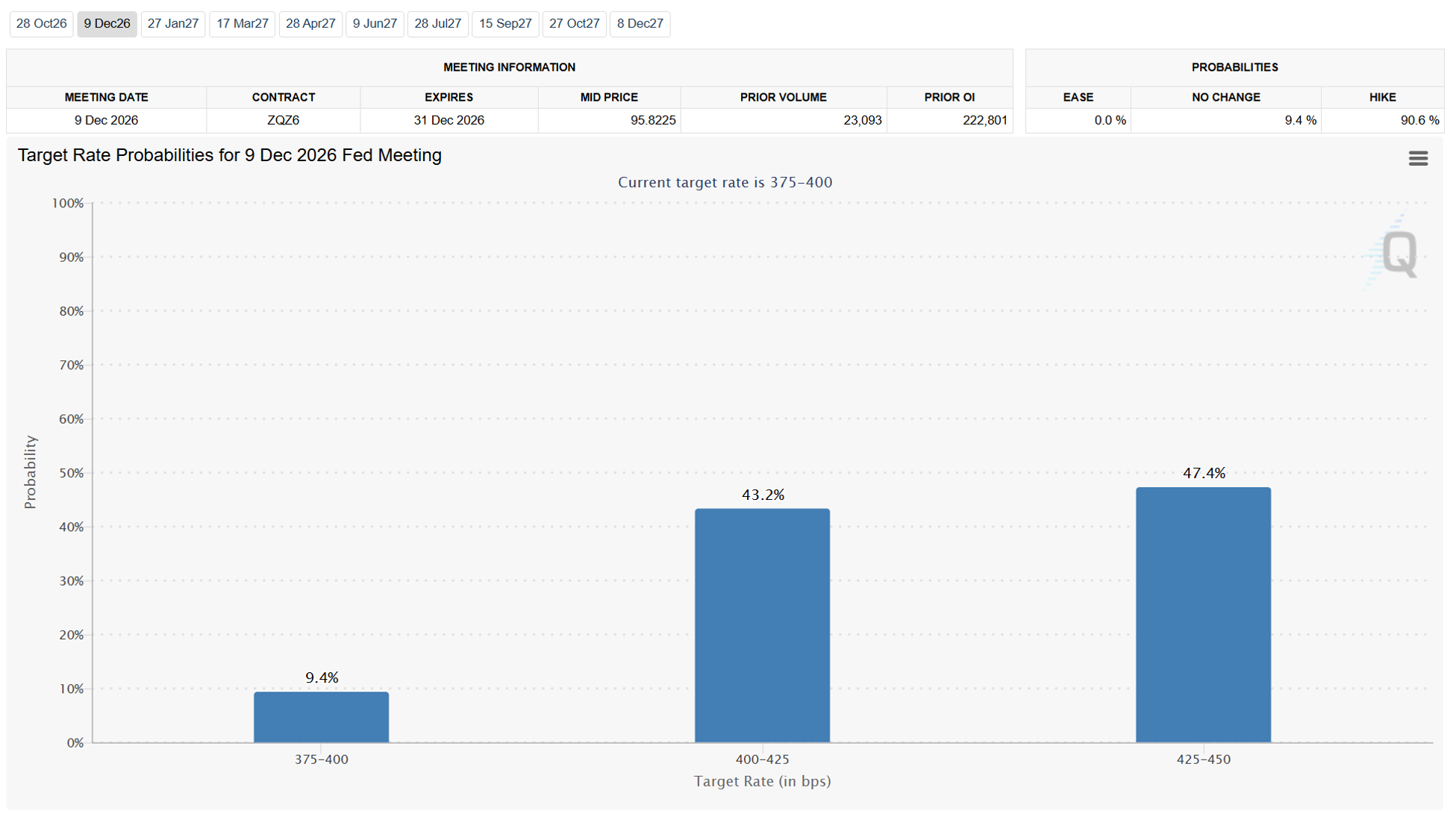
Source: CME Group.
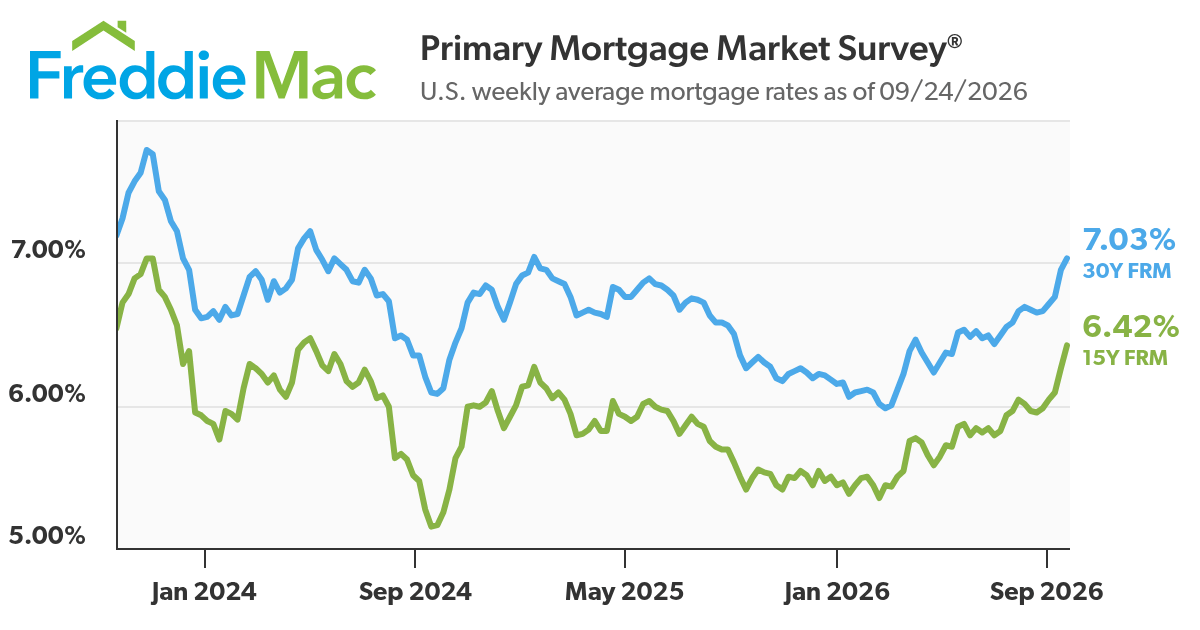
Mortgage Rates Rise to 7.03%
Rates on 30-year mortgages rose above 7% for the first time in 20 months, according to Freddie Mac. Rising yields on the 10-year Treasury are to blame. The higher mortgage rates make buying a house even less affordable for many people.
AI Remains Hungry for Capital
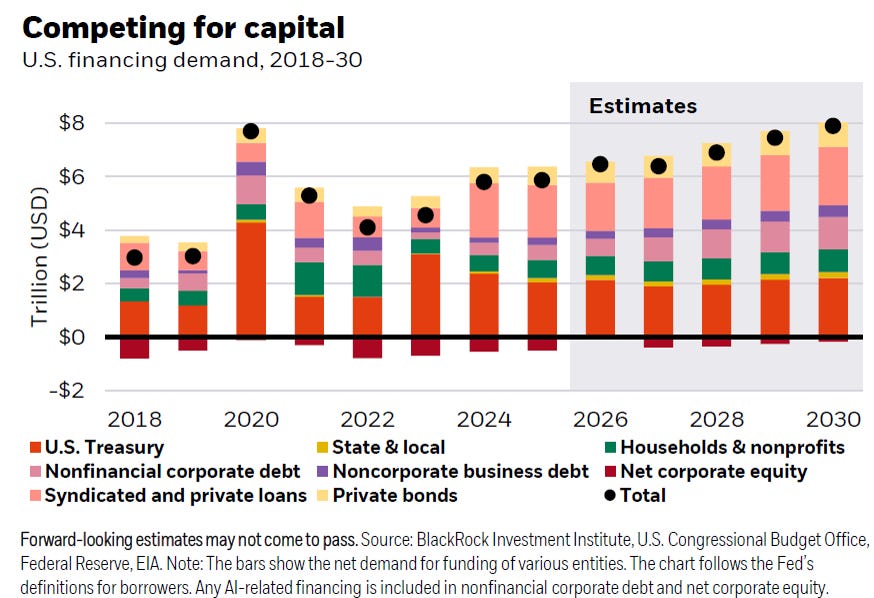
BlackRock continues to talk about the impact of AI spending in its weekly research notes. AI and data center expansion have accounted for about 14% of U.S. investment-grade bond issuance this year, up from 5% in 2025. In the chart below, AI spending is included in nonfinancial corporate debt (the pinkish bar directly above the green bar) and net corporate equity (the dark red bar at the bottom of each column).
Beyond the potential for fallout if defaults on this debt rise significantly, there is the ongoing crowding-out effect. Demand for debt is only so big. When enough capital flows into one part of the debt market, yields on other bonds will have to rise to attract investors.
Fund Managers Fret About Disorder in the Bond Market
Bank of America’s recent survey of global fund managers found that they are fearful of a disorderly rise in bond yields upending the financial markets. The percentage of managers worried about the potential for the bond markets to create havoc has doubled since July to 33%. (In investing, a tail risk is a low-probability or atypical event that causes a severe downturn in the financial markets.)
Recency bias—the human mind’s tendency to put greater weight on recent events and information—does appear to be at play here. Even the so-called smart money is not immune from such behavioral patterns.
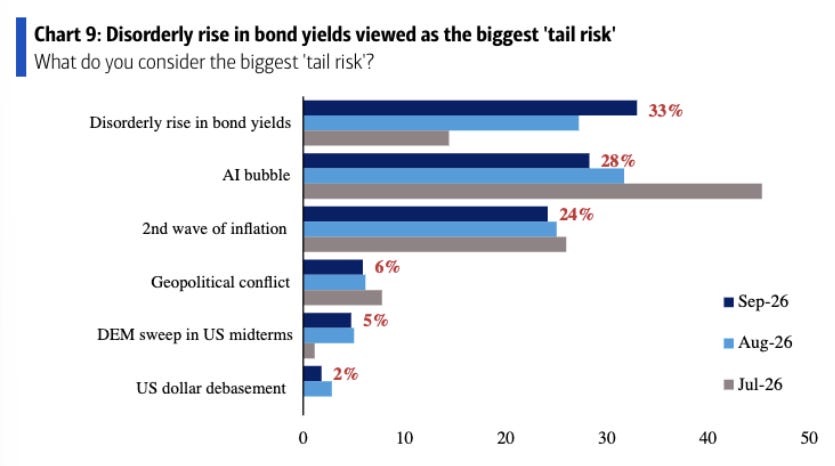
Source: Bank of America Global Fund Manager Survey and Sam Ro.
Diesel Is in the Headlines for All the Wrong Reasons
Diesel fuel prices do not typically get much attention, except among those who produce or buy it. But lately, it is constantly being mentioned by financial news outlets. Diesel fuel powers trucks, rail freight and marine shipping, and it’s used heavily in agriculture and construction. Higher diesel prices push through to nearly every category of consumer spending.
Diesel fuel set a new record high of $6.5276 per gallon on Tuesday, according to AAA. To put that number into perspective, here is the five-year trend from the St. Louis Federal Reserve’s FRED database.
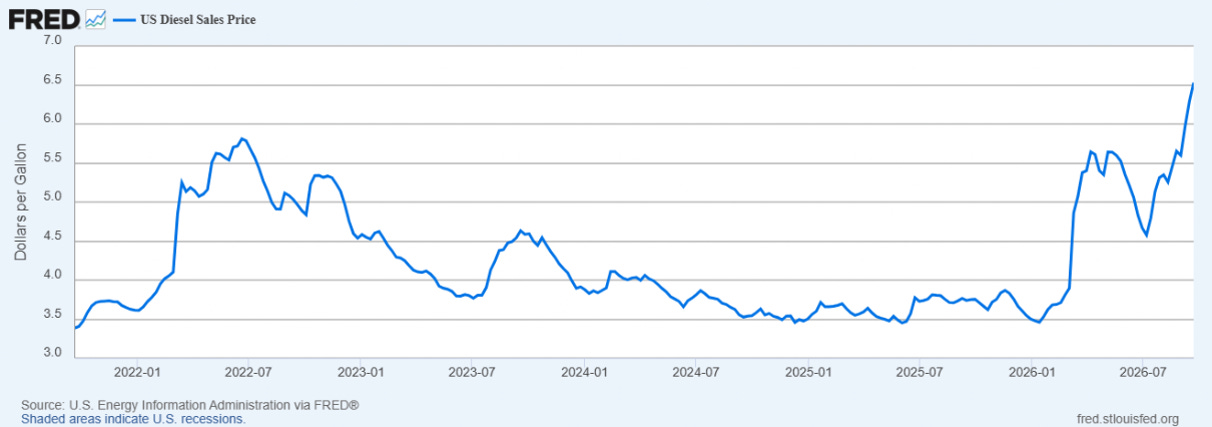
While I was out running this morning, I noticed that the local Casey’s was charging $6.99 per gallon for diesel. The Marketplace radio program recently reported that diesel was over $8.00 per gallon in parts of California.

More Empty Seats at the Movies
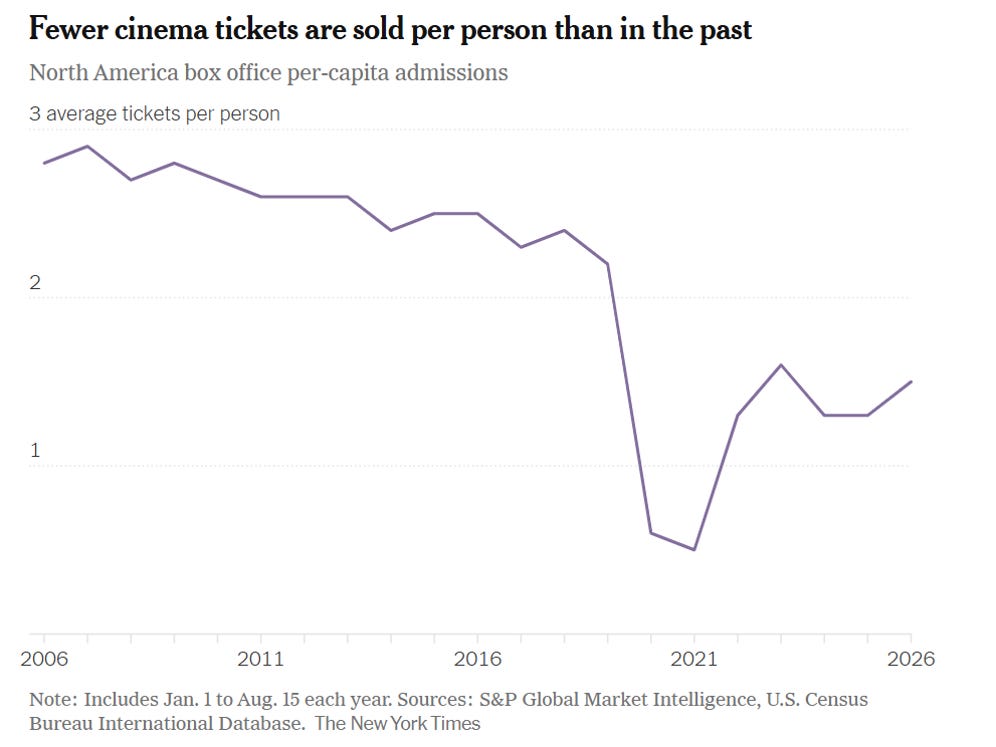
Box office receipts totaled an estimated $4.76 billion between May 1 and Labor Day. The big haul made this year’s summer movie season the second-best ever recorded. This isn’t surprising given how expensive movie tickets have become. An adult ticket to see the new Resident Evil movie is $16.49 at my local AMC theater. It’s $23.49 to see it in IMAX.
Overshadowed by box office receipts is the declining number of butts in seats. Domestic theaters sold 30% fewer tickets between January 1 and August 16 this year relative to 2019, reported The New York Times. “That amounts to roughly 248 million missing admissions.”

More on AAII.com
Holistic Yield Investing: Meb Faber’s Unique Screening Approach
Stocks that reward shareholders by paying dividends, lowering the number of shares outstanding and reducing debt.Be a Wiser Investor Than the Crowd
If you hope to outperform you need to have some edge.Gauging the Strength of Market Trends With the A/D Line
The Advance/Decline line gives context to an index’s movement by looking at how many stocks are going up and how many are going down. Read how in the September 2026 AAII Journal.
AAII Sentiment Survey
Pessimism among individual investors about the short-term outlook for stocks decreased in the latest AAII Sentiment Survey. Meanwhile, optimism and neutral sentiment increased.
Bullish sentiment, expectations that stock prices will rise over the next six months, increased 3.9 percentage points to 32.7%. Bullish sentiment is below its historical average of 37.5% for the eighth time in 10 weeks.
Neutral sentiment, expectations that stock prices will stay essentially unchanged over the next six months, increased 1.3 percentage points to 19.2%. Neutral sentiment is unusually low and is below its historical average of 31.0% for the 29th consecutive week.
Bearish sentiment, expectations that stock prices will fall over the next six months, decreased 5.2 percentage points to 48.1%. Bearish sentiment is unusually high and is above its historical average of 31.5% for the 33rd consecutive week.
The bull-bear spread (bullish minus bearish sentiment) increased 9.1 percentage points to –15.4%. The bull-bear spread is unusually low and is below its historical average of 6.5% for the 10th consecutive week.
This week’s special question asked AAII members what they thought about the Federal Reserve’s decision to increase interest rates by 0.25 percentage points.
Here is how they responded:
It was the right move: 79.8%
They should have left rates unchanged 12.4%
They should have cut rates: 1.6%
Not sure/no opinion: 6.2%
This week’s Sentiment Survey results:
Bullish: 32.7%, up 3.9 points
Neutral: 19.2%, up 1.3 points
Bearish: 48.1%, down 5.2 points
Historical averages:
Bullish: 37.5%
Neutral: 31.0%
Bearish: 31.5%